Youth Employment UK is an independent, not for profit social enterprise founded in 2012 to tackle youth unemployment. They offer free skills & career activity booklets providing excellent resources for young people to use while considering their skills and future employment in these uncertain times. The free skills & careers activity booklet is available to download here.
These unprecedented times are having a profound impact on skills, jobs, and the economy. A report from The Resolution Foundation think tank found that youth unemployment could rise by 640,000 in 2020 – taking the total above one million. Supporting our young people in offering the right skills, resources, and networking opportunities have, therefore, never been more vital.
The free skills & careers activity booklet is an online editable tool with worksheets, including links to careers quizzes, a careers hub, job searches, and FAQs. The booklet covers:
Young Professional – free online training
Choosing a career
Understanding the pathways available to you
Boosting your skills
Volunteering & work experience
Employers & work
Youth Voice Census
Getting help
Your Reflections
The Greater Exeter Skills Partnership will continue to highlight and to signpost to such excellent support.
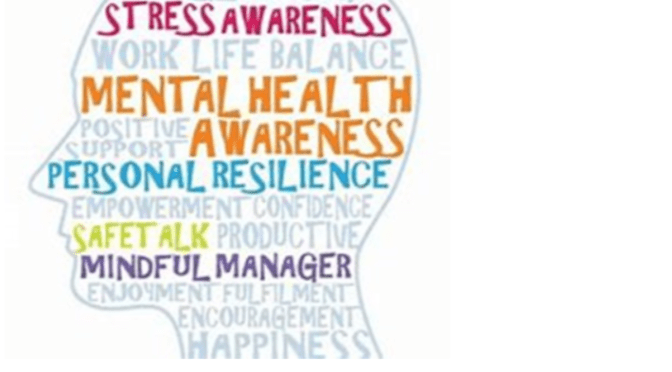
The COVID-19 pandemic is impacting many aspects of all our lives, including our mental health. The mental health charity Mind has called the pandemic a mental health emergency. Unmind is a mental health platform that offers workplaces a tool to support their employees. They worked with academics and psychologists to develop a platform to provide mental health tools, training, and assessments.
The app covers a range of mental health subjects, including sleep, stress, productivity, and your ability to support others during a difficult time – all delivered in bite-sized chunks through audio, video, and interactive content. It has mobile and desktop options and uses simple, accessible language.
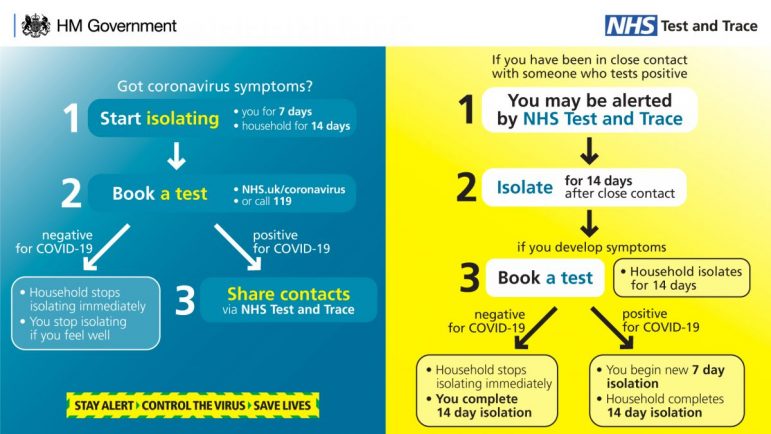
The role of employers in the new NHS test and trace service
The NHS test and trace service has been implemented to help manage the risk of the virus re-emerging as restrictions on everyday life in England are eased. But how does test and trace impact employers?
The government say that it is vital employers play their part by:
making their workplaces as safe as possible and
encouraging workers to heed any notifications to self-isolate and supporting them when in isolation.
The advice for employers is to continue to communicate with workers in self-isolation and provide support. This includes allowing people to work from home if they remain well and if it is practicable to do so. This might include finding alternative work that can be completed at home during the period of self-isolation.
If people can’t work from home, employers must ensure any self-isolating employee is receiving sick pay and give them the option to use their paid leave days if they prefer.
The NHS test and trace service will provide a notification that can be used as evidence that someone has been told to self-isolate.
An employee can ask to take their paid holiday for the time they’re off work, entitling them to full pay for the duration of their leave, as opposed to Statutory Sick Pay, if they choose.
The NHS test and trace service is designed to support businesses and economic recovery by:
providing testing for anyone who has symptoms of coronavirus, so that if they have been tested positive, they and their household member know to continue to self-isolate
helping to stop the onward spread of the virus in the workplace and wider society, so that fewer people develop coronavirus and have to self-isolate
enabling the government to go further in safely easing or lifting lockdown measures, as far as it is deemed safe to do so, thereby allowing the nation to return to normal as quickly as possible.
It is important the employers continue to protect the health and safety both of their workers and of other people who may be affected by their business, for example agency workers, contractors, volunteers, customers, suppliers and other visitors.
Employers must continue to follow health and safety workplace guidance for their sector such as:
making every reasonable effort to enable working from home as a first option
where working from home isn’t possible, identifying sensible measures to control the risks in the workplace
keeping the workplace clean, maintaining safe working separation, and preventing transmission through unnecessary touching of potentially contaminated surfaces.
The measures employers put in place to maintain social distancing will depend on their individual business circumstances, including their working environment, the size of the site and the number of workers. The guidance will support employers to make an informed decision.
The NHS test and trace service does not change the existing guidance about working from home wherever possible.




 Greater Exeter Skills Partnership